
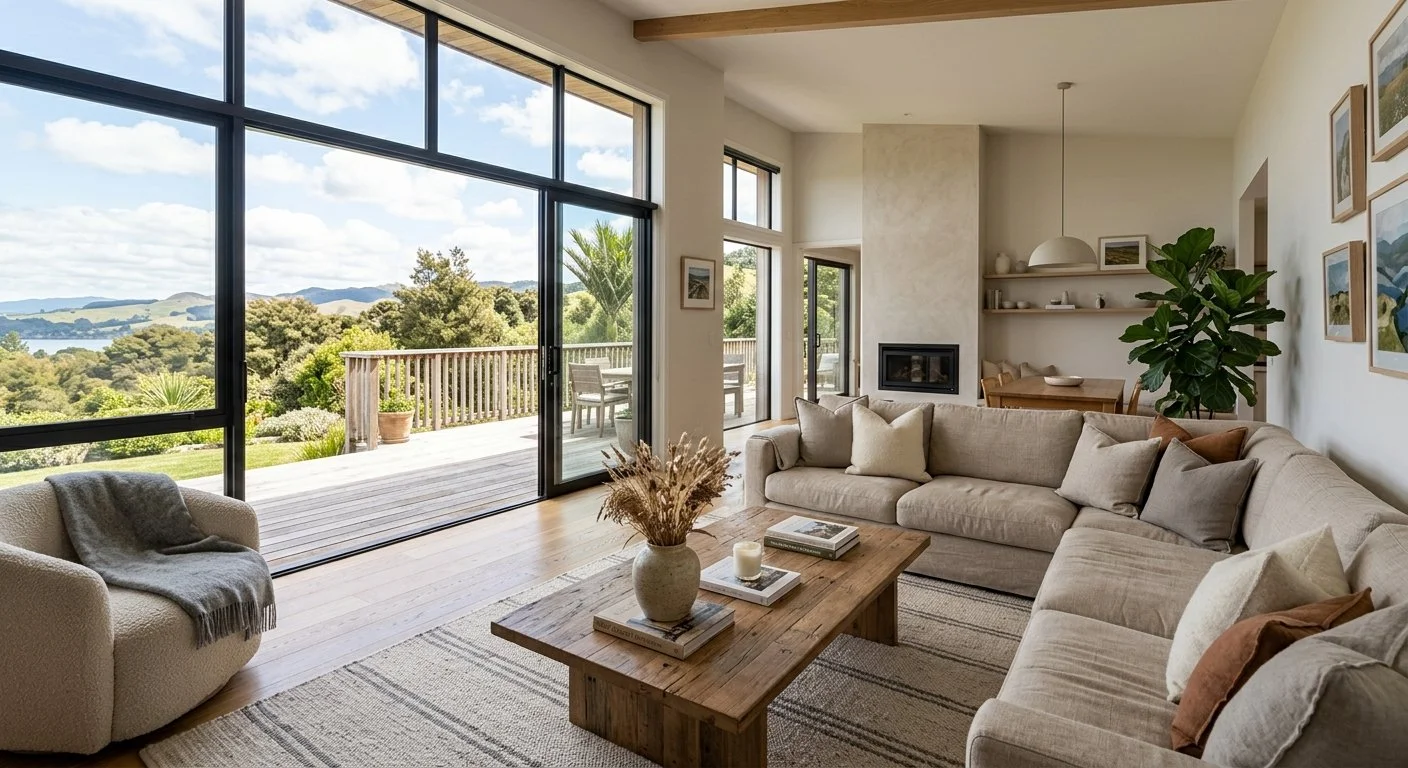
Looking beyond the styling and first impression to find a home that really fits your life.
Walking into a property for the first time can be exciting. The furniture is just right, the kitchen looks fantastic, the sun is streaming through the windows, and you can already picture yourself relaxing on the deck with a coffee.
But before you start imagining where the Christmas tree might go, it pays to take a step back.
Buying a property is one of the biggest financial decisions you'll make, and it's easy to get caught up in the presentation and overlook some of the more practical details. The trick is to look beyond what you see on the day and think about how the property will work for you in the years ahead.
Whether you're buying your first home, looking for more space, downsizing or searching for a property in Taupō to enjoy on weekends, here are a few things to consider before deciding if a property is the right fit.
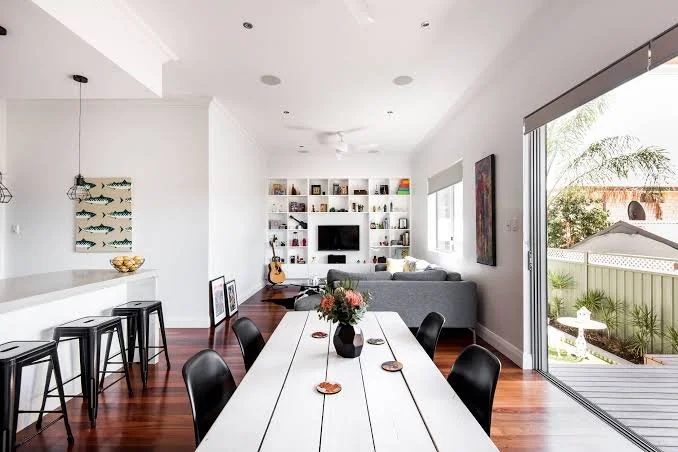
1. Start with your lifestyle, not the house
Before you fall in love with a property, think about how you actually live.
Do you work from home and need a dedicated office? Do you enjoy entertaining and need room for friends and family? Perhaps you have a growing family, need space for hobbies or would prefer a smaller home with less maintenance.
Think about your everyday routine. Where will you have breakfast? Is there enough room for everyone to get ready in the morning? Will you use the outdoor space or will it become another area to maintain?
It's also worth considering how your needs might change over the next five to ten years. You don't need to predict the future, but choosing a property that offers a little flexibility can be a real advantage.
A useful question to ask yourself: Does this property suit the way I live now and will it still work if things change?
2. Look beyond the styling
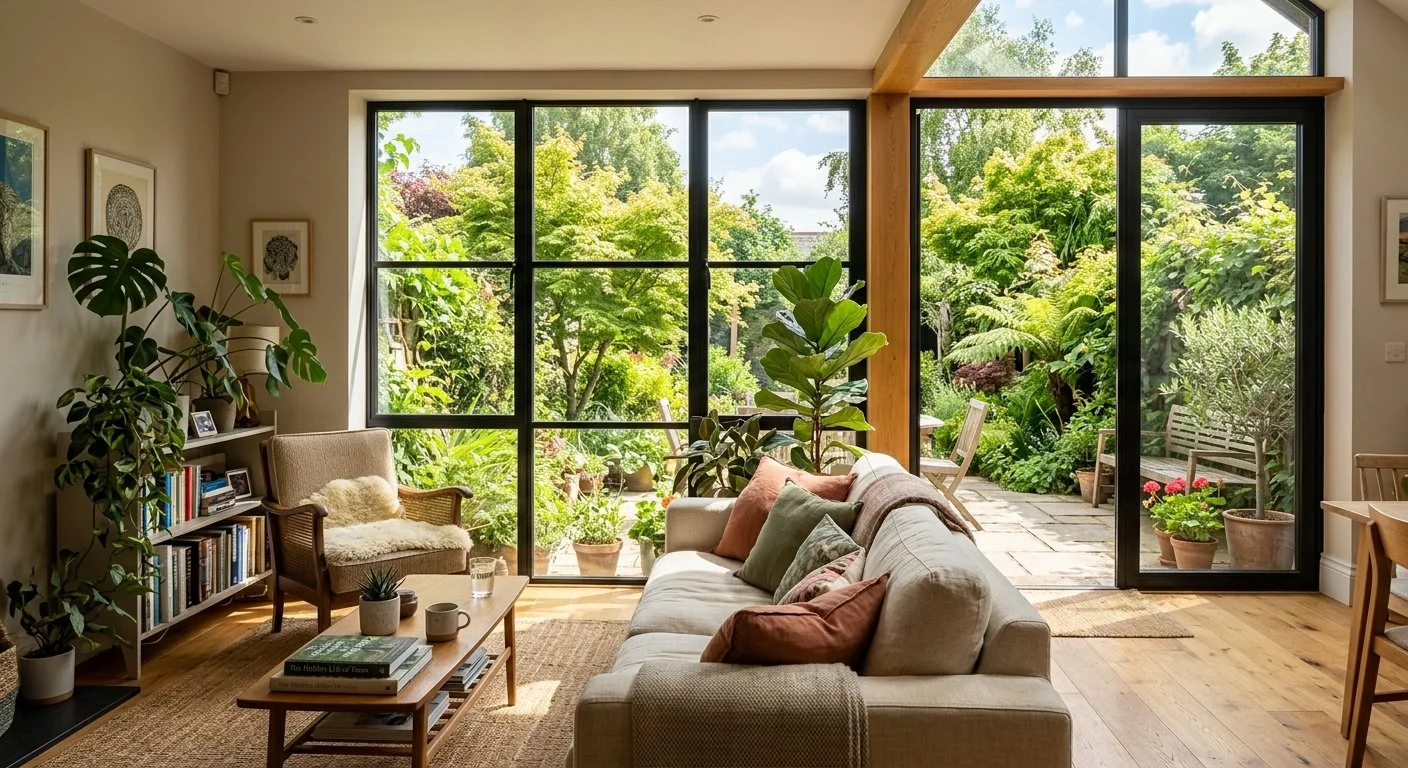
Professional photography and clever staging is intended to make a property look its best, and there's nothing wrong with appreciating a beautifully presented home. However, furniture can make rooms appear larger, clever lighting can brighten darker spaces and fresh cushions can distract from details that deserve a closer look.
When you visit, try to look at the property as if the furniture wasn't there.
Is there enough usable space for your own furniture?
Do the bedrooms comfortably fit the beds and storage you need?
Is there sufficient cupboard and storage space?
Are the kitchen and bathrooms practical for everyday use?
Can you see signs of wear, dampness, cracking or deferred maintenance?
Open cupboards where appropriate, look carefully at ceilings and walls, and pay attention to the general condition of the property. Don't be afraid to revisit a room or take a few measurements.
Remember, you can change the paint colour, update the curtains and rearrange the furniture. It's much harder, and often more expensive, to change the layout, add storage or fix underlying building issues.
3. Check the things you can’t easily change
Some of a property's biggest advantages, or disadvantages, aren't found inside the front door.
Consider the location, orientation, privacy and surrounding environment. In Taupō, for example, a sunny living area can make a real difference during the colder months. Think about where the sun falls throughout the day, whether the home feels warm and bright and how exposed it might be to wind.
Visit the property at different times if possible. Is there road noise? How busy is the street? Can neighbouring properties overlook the outdoor areas? What is the parking situation like?
Think about the distance to work, schools, shops, medical services and the activities that matter to you. A home might tick every box, but if the location makes everyday life difficult, that can become frustrating over time.
If you're considering a property with a view, near the lake or in a particular school zone, make sure you understand exactly what you're buying. Views, neighbouring development, zoning and access can all be worth investigating.
4. Be realistic about the costs
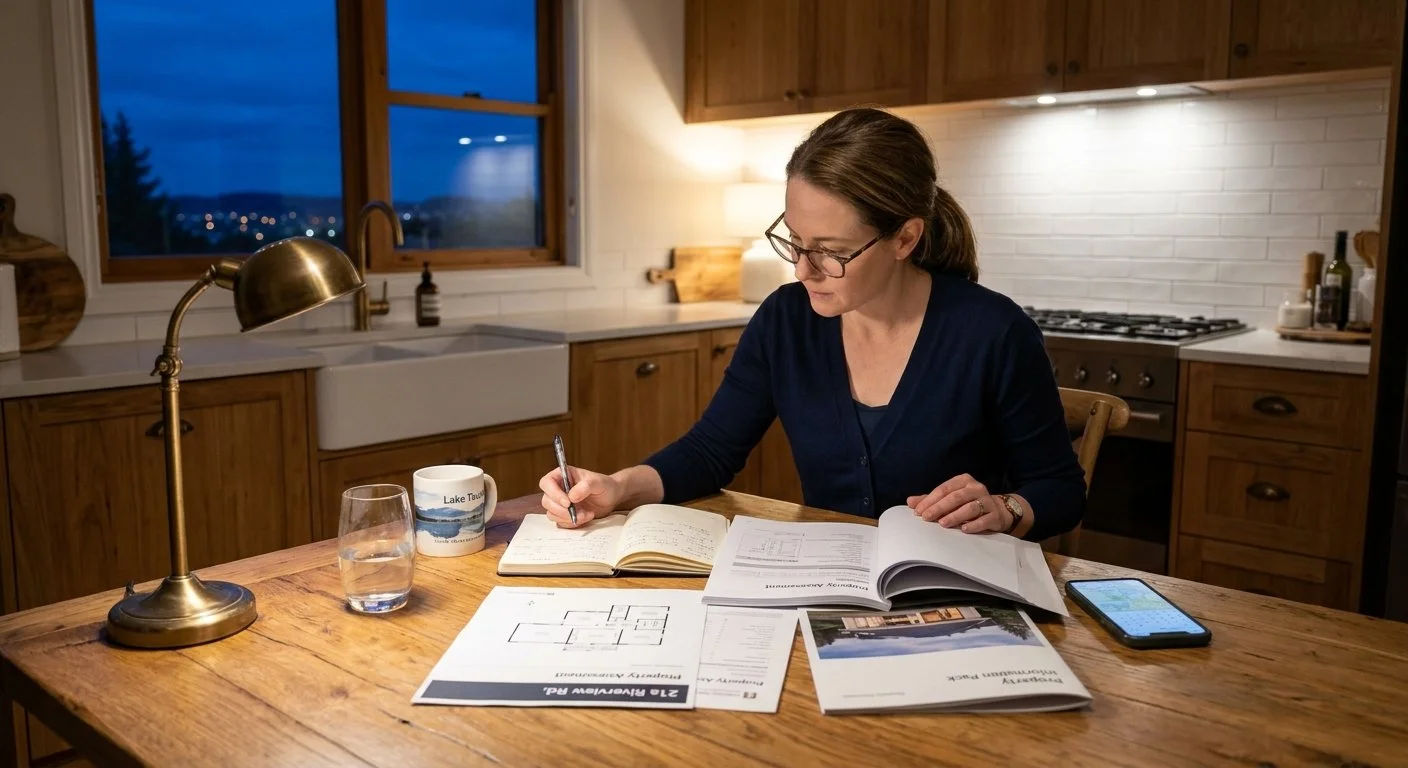
The purchase price is only part of the picture. Before committing, think about the ongoing costs of owning the property.
Consider rates, insurance, heating, maintenance and any body corporate levies that may apply. If you're buying an older home, allow room in your budget for repairs and improvements. Even a property that looks well maintained will need attention over time.
It's also worth thinking about the changes you'd want to make. Are they simply cosmetic, or would you need to renovate the kitchen, replace flooring or improve the heating?
Before making an offer, talk to your mortgage adviser about affordability and make sure you understand the additional costs involved in buying. Arrange appropriate inspections and seek independent legal advice. Depending on the property, a builder's report, LIM report, title review or other specialist advice may help you understand any potential issues.
The aim isn't to find a property that will never need money spent on it. It's to understand what you're taking on and make sure it fits your budget.
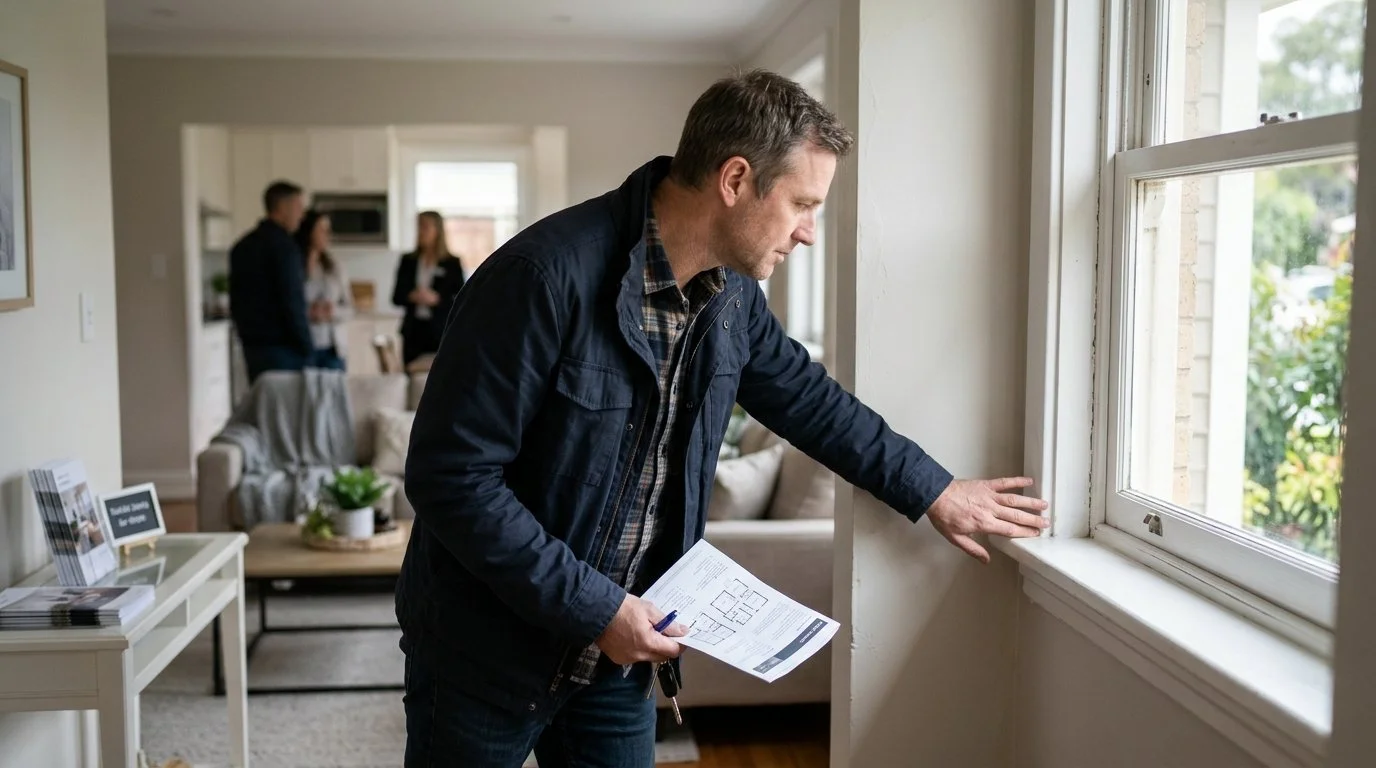
5. Look at the property’s potential, but don’t rely on it
It's easy to walk through a property and start planning all the things you could do to improve it. Perhaps you'd open up the living area, landscape the garden or add another bedroom.
Potential can be a great reason to consider a property, but be realistic about the time, money and approvals involved.
If your decision depends on completing a major renovation, investigate the feasibility and likely costs involved. Check whether the changes you have in mind are permitted and whether building consent may be required.
Equally, don't dismiss a property simply because the décor isn't your style. Sometimes a home with good bones, a practical layout and a location you love is a better option than a beautifully renovated property that doesn't quite suit your needs.
6. Trust your instincts, but do your homework
Your first impression matters. You want to feel comfortable in a home and be able to imagine yourself living there. But excitement shouldn't replace careful consideration.
After a viewing, take a few minutes to write down what you liked, what concerned you and what you still need to find out. Compare the property with your original list of priorities rather than judging it against the excitement of the moment.
And remember, you don't have to make a decision on the spot. If you're unsure, arrange another viewing, ask questions and take the time to do your research.
Your property viewing checklist:
Before moving forward, ask yourself:
Does the property suit my lifestyle and future needs?
Is the layout practical, with enough storage and usable space?
Have I looked beyond the styling to assess its condition?
Do the location, sun, privacy and surroundings work for me?
Can I comfortably afford the purchase and ongoing costs?
Have I considered maintenance, repairs and any improvements?
Have I checked the relevant documents and arranged appropriate inspections?
Does this property meet my priorities, rather than just look good on the day?
The bottom line
The right property isn't necessarily the newest, the most beautifully styled or the one with the biggest wow factor. It's the one that makes sense for your lifestyle, your budget and your plans for the future.
Take your time, ask questions and look beyond the first impression. And if you're buying in Taupō, we're always happy to help you work through the practical details so you can make a more informed decision.
Because finding the right property isn't just about falling in love with a house. It's about finding a place that works for you.