
Simple Styling Tricks Before Photography
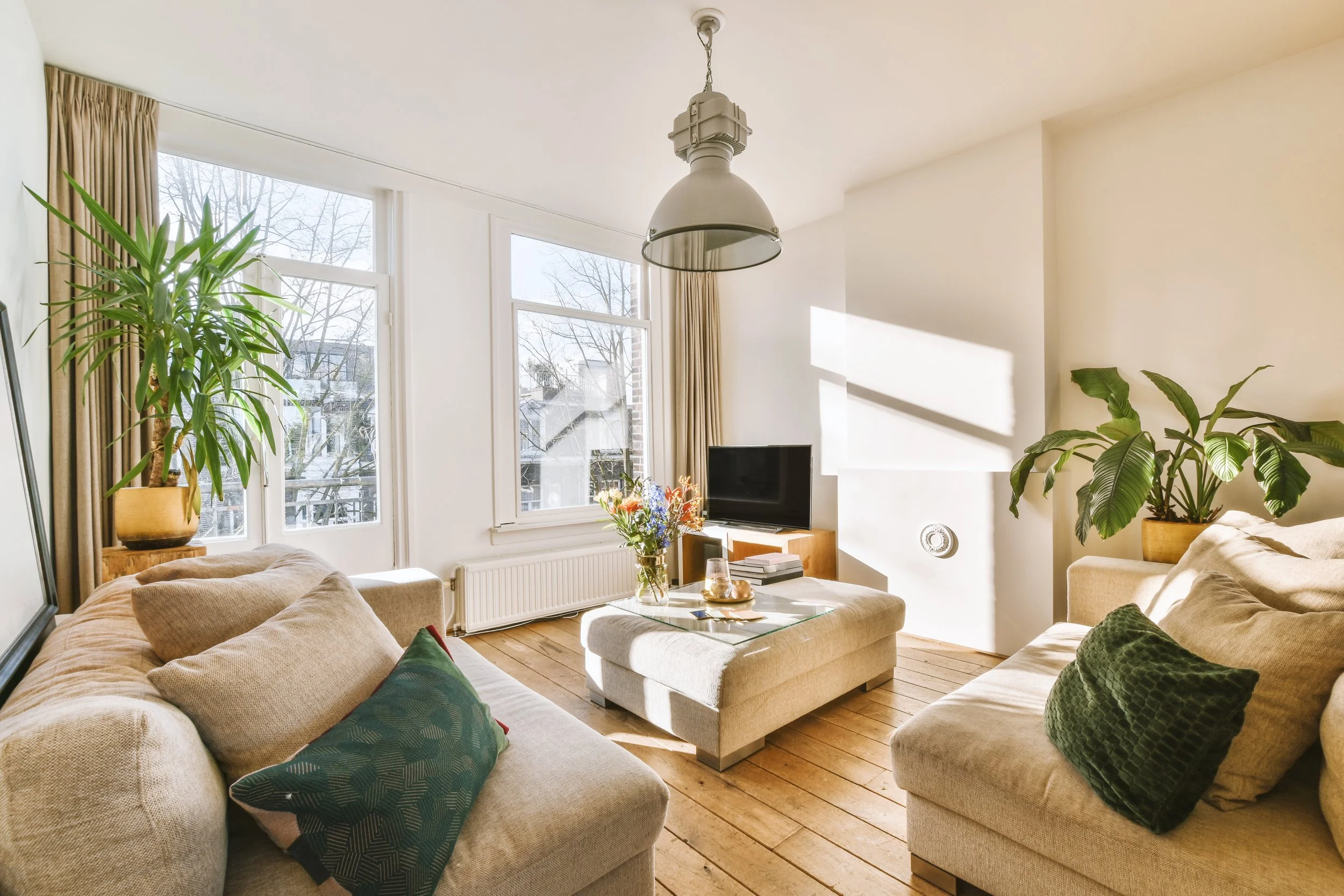
If there's one day that can make a huge difference to your sale, it's photography day.
For many buyers, the first viewing happens online. Before they ever step through your front door, they're scrolling through listings, deciding in a matter of seconds which homes they want to click on.
The good news? You don't need to spend thousands on professional staging to make your home look its best.
A few simple styling tricks can completely change how your property feels in photos, helping buyers imagine themselves living there and encouraging more people through your open home.
Here are some of our favourites.
1. Less really is more
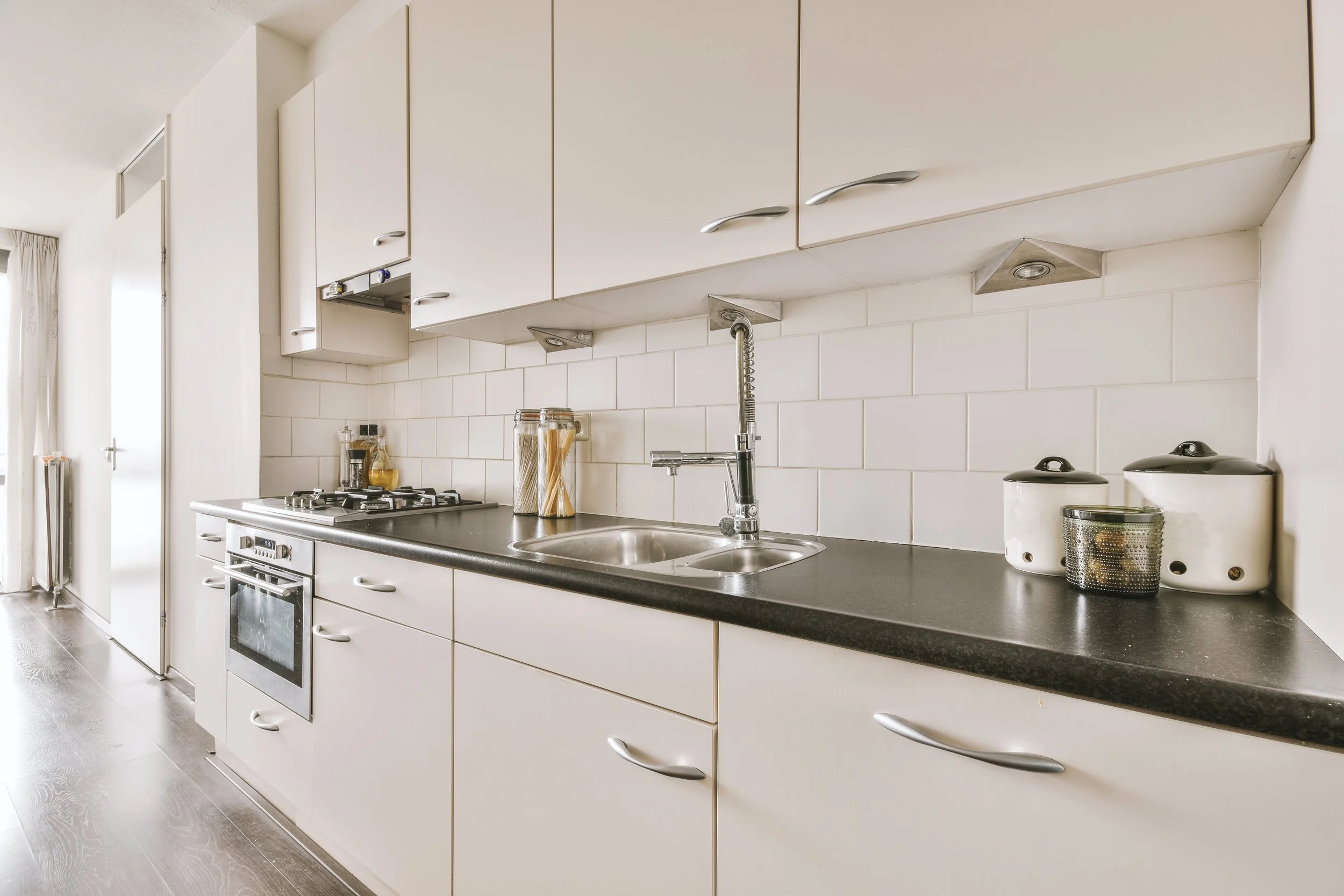
The biggest mistake we see isn't that homes are untidy—it's that they're too full.
Family photos, children's artwork, paperwork on the bench, shoes by the door and decorative pieces collected over the years all make a home feel lived in, which is wonderful day-to-day. But for photography, they can become distractions.
The goal isn't to make your home feel empty. It's to make it feel spacious.
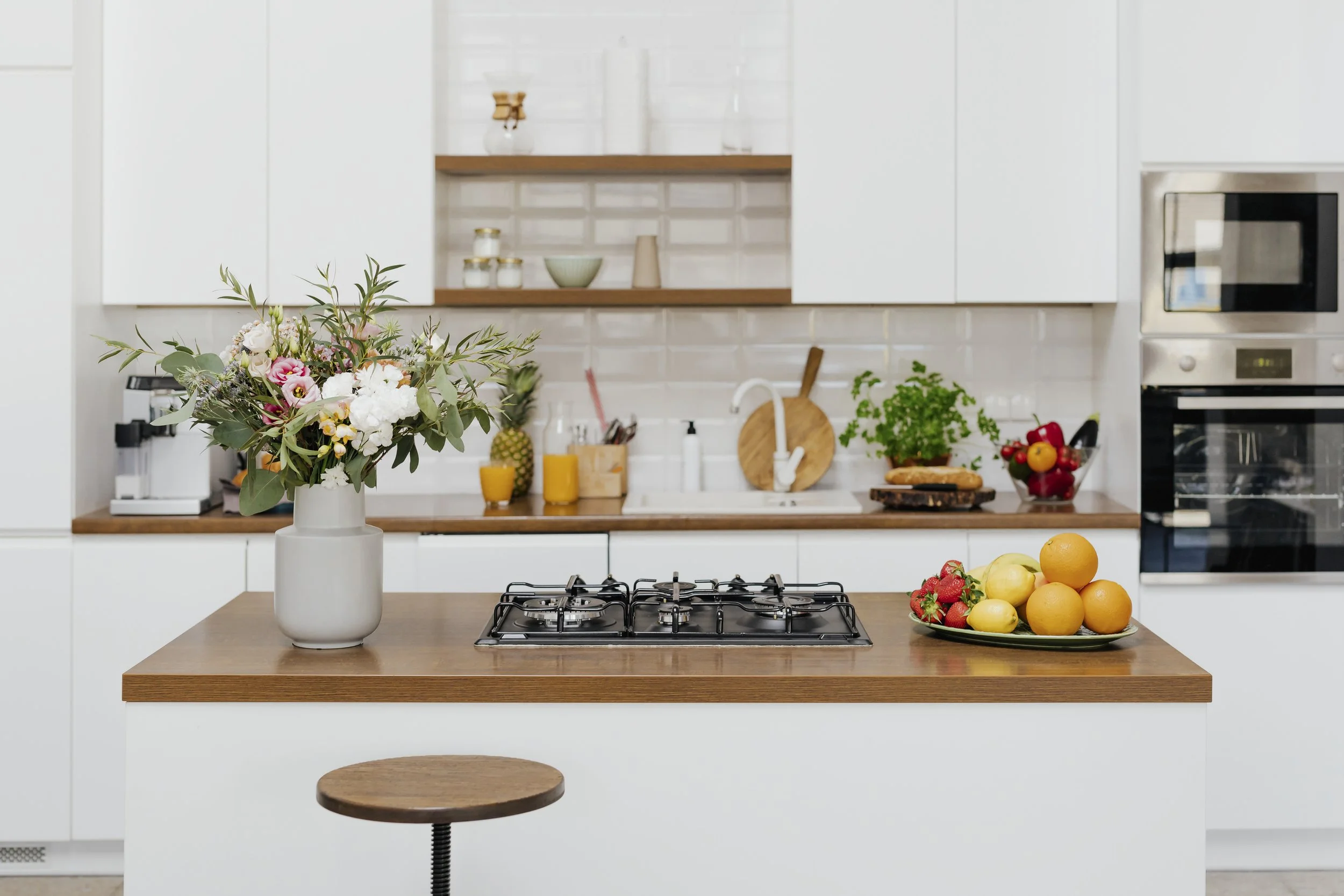
Clear kitchen benches, bedside tables and bathroom vanities. Leave just one or two carefully chosen items to create a clean, modern look.
When buyers aren't distracted by belongings, they notice the home itself.
2. Let the light do the work
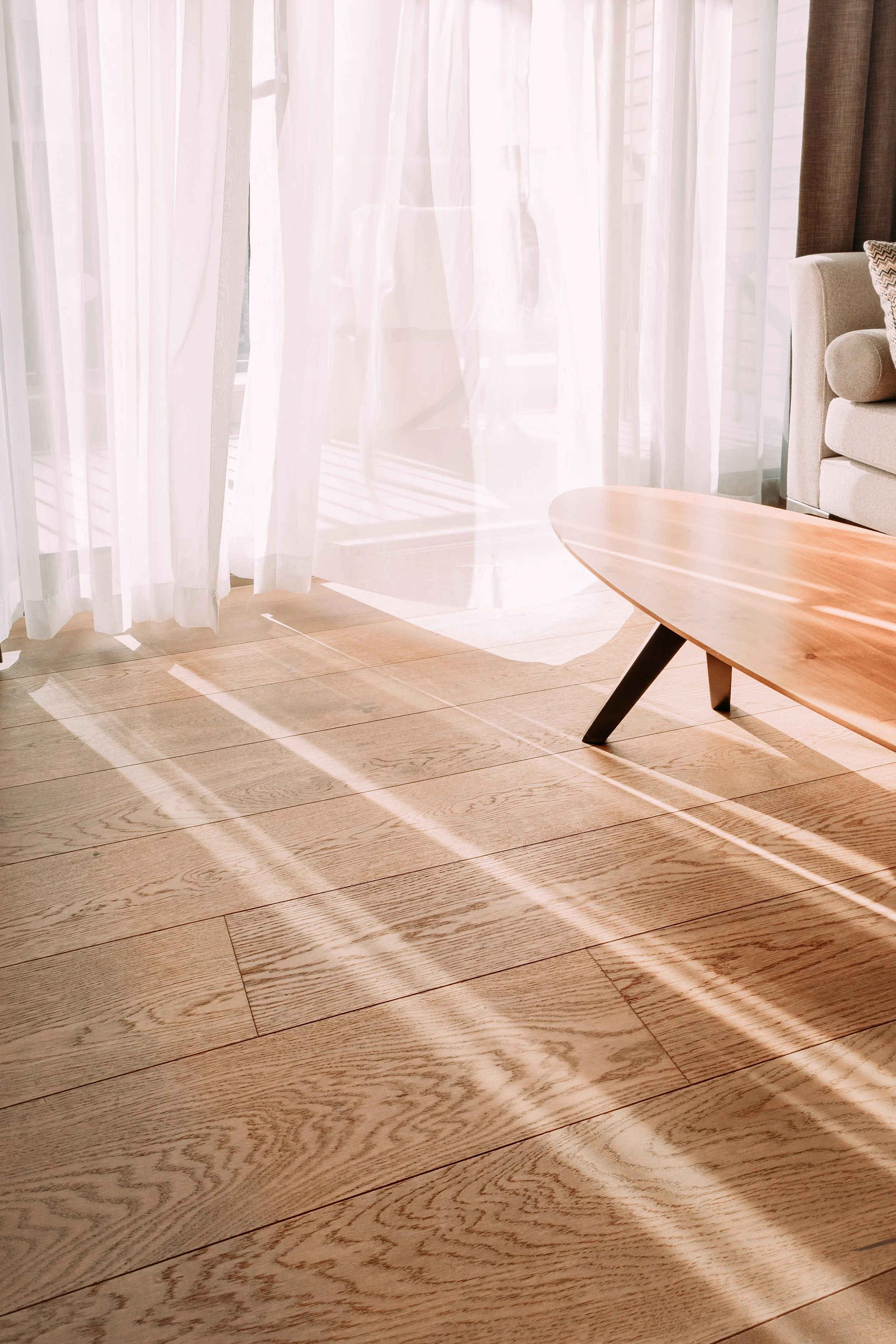
Natural light instantly makes a home feel bigger, warmer and more inviting.
Before the photographer arrives, open every curtain and blind. Clean windows if you can—it really does make a difference. Turn on lamps in darker corners and replace any blown light bulbs beforehand.
A bright home photographs beautifully, even on an overcast day.
3. Add a touch of life
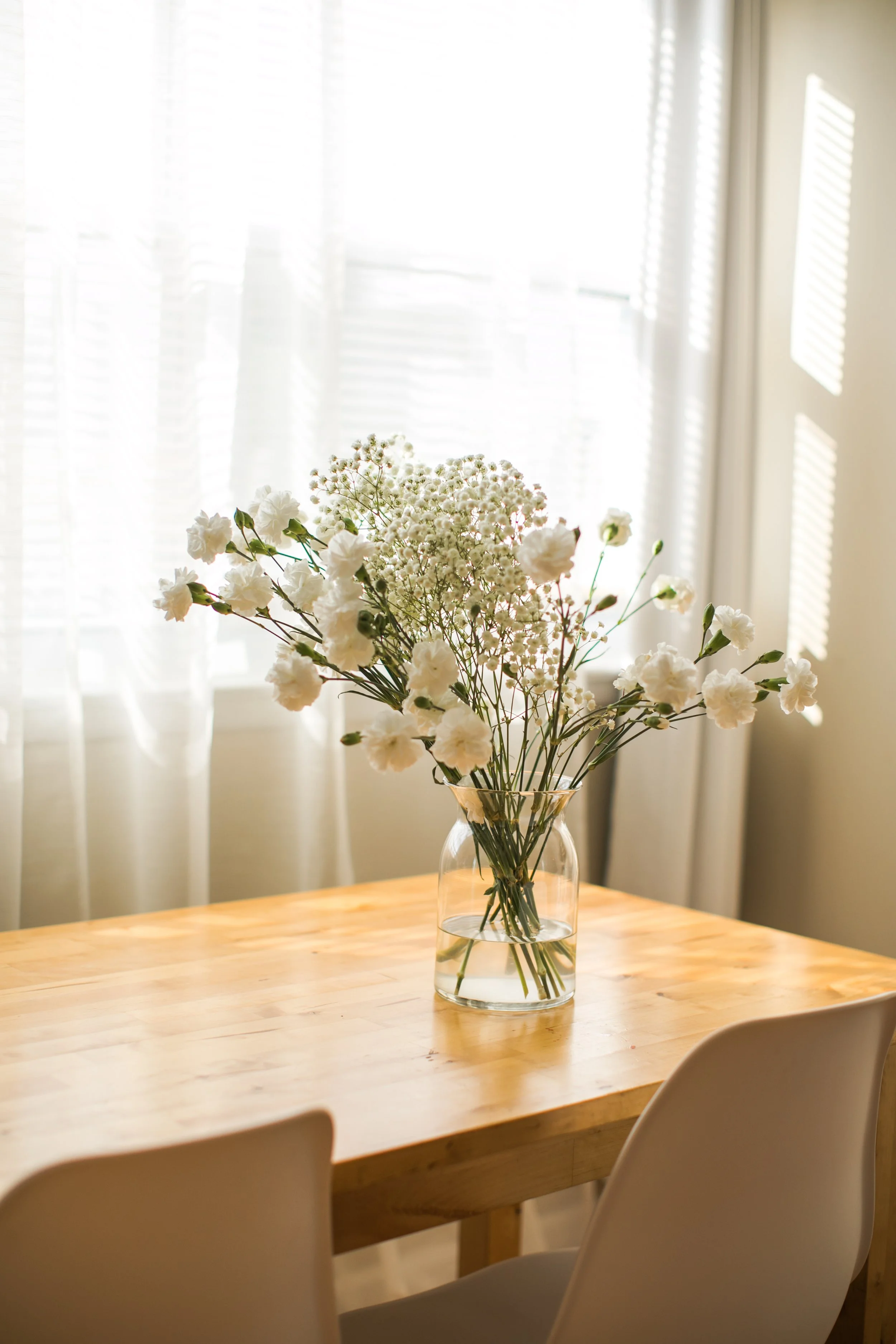
Fresh flowers, a bowl of fruit or a healthy indoor plant can make a room feel welcoming without overwhelming the space.
You don't need expensive décor. In fact, simple often works best.
A vase of greenery from the garden can look just as effective as a florist arrangement: think eucalyptus and olive branches, pittosporum and rosemary foliage, and hydrangea foliage with or without the blooms.
The key is adding warmth while keeping things uncluttered.
4. Make every room obvious
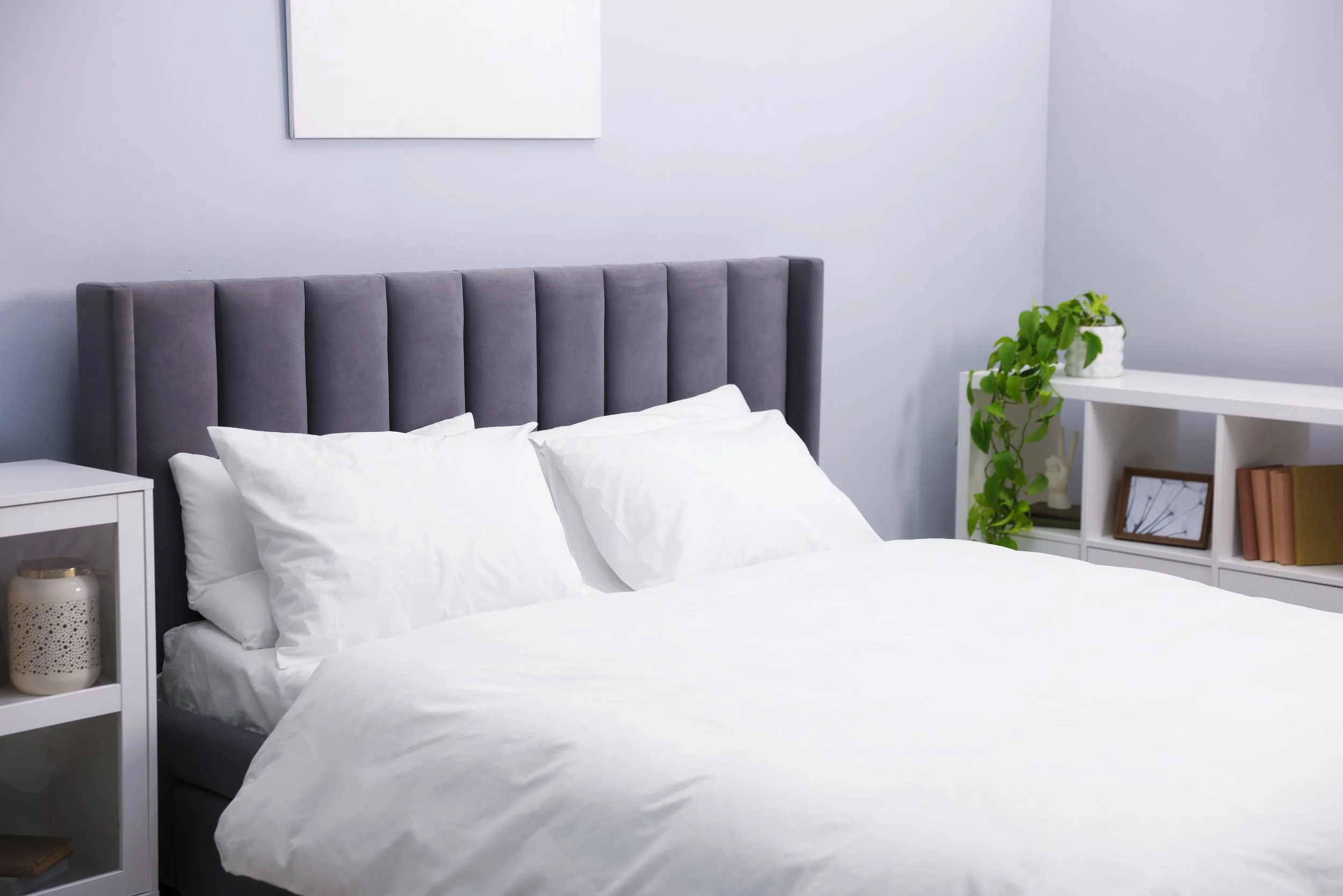
Buyers should instantly understand the purpose of every room.
If the spare bedroom has become a storage room or home gym, consider returning it to a bedroom before photography.
Likewise, if the dining table has become a home office, clear it and set it as a dining space.
People buy potential, and it's much easier for them to imagine their future when each room has a clear purpose.
5. Don’t forget outside
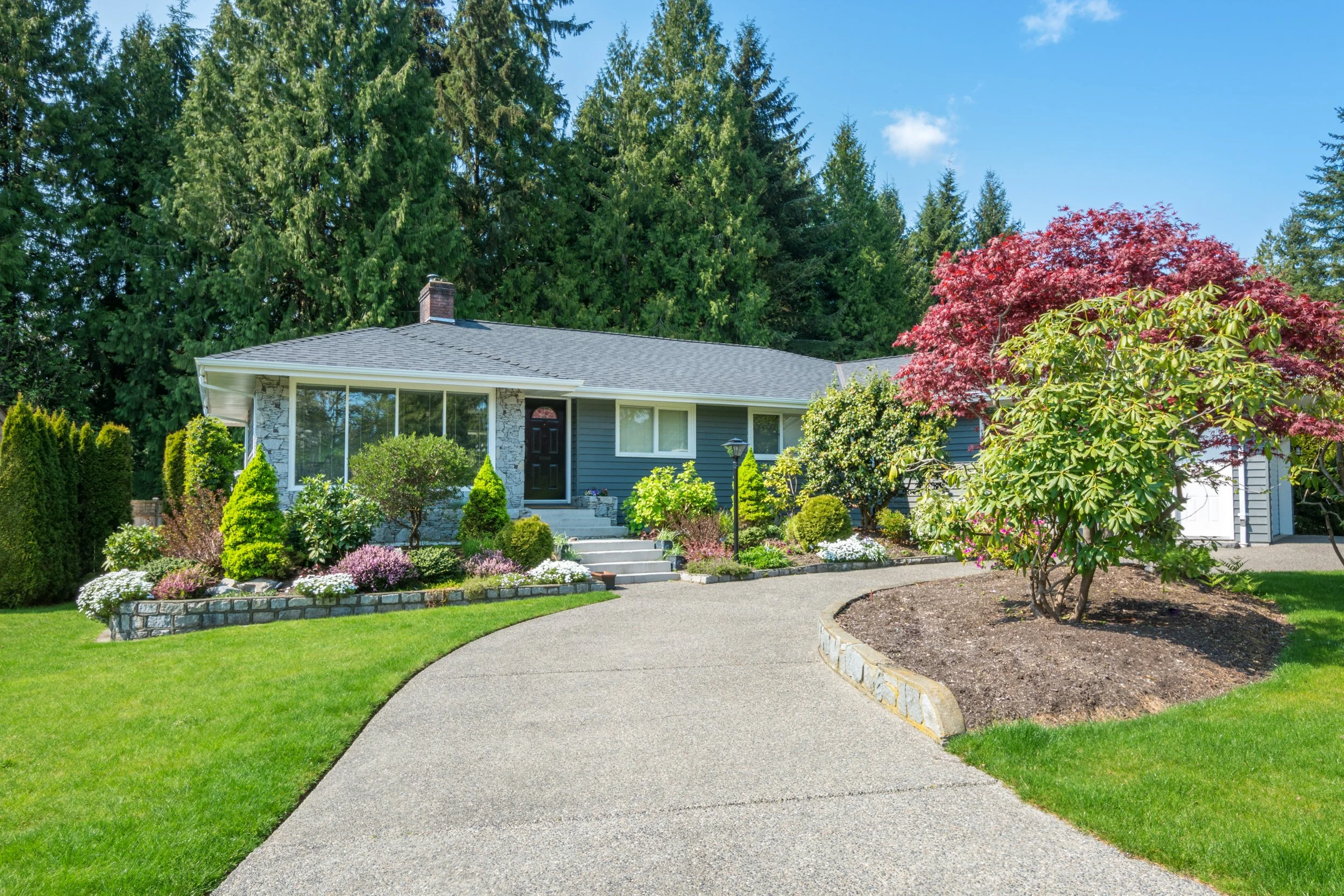
First impressions start before buyers even see the inside.
Sweep paths, mow the lawns, tidy the garden and move bins, hoses and children's toys out of sight.
If you have outdoor furniture, give it a quick clean and arrange it neatly. Buyers love imagining themselves enjoying the outdoor spaces, especially here in Taupō where we spend so much time outside.
6. The little details matter
Some of the smallest touches create the biggest impact.
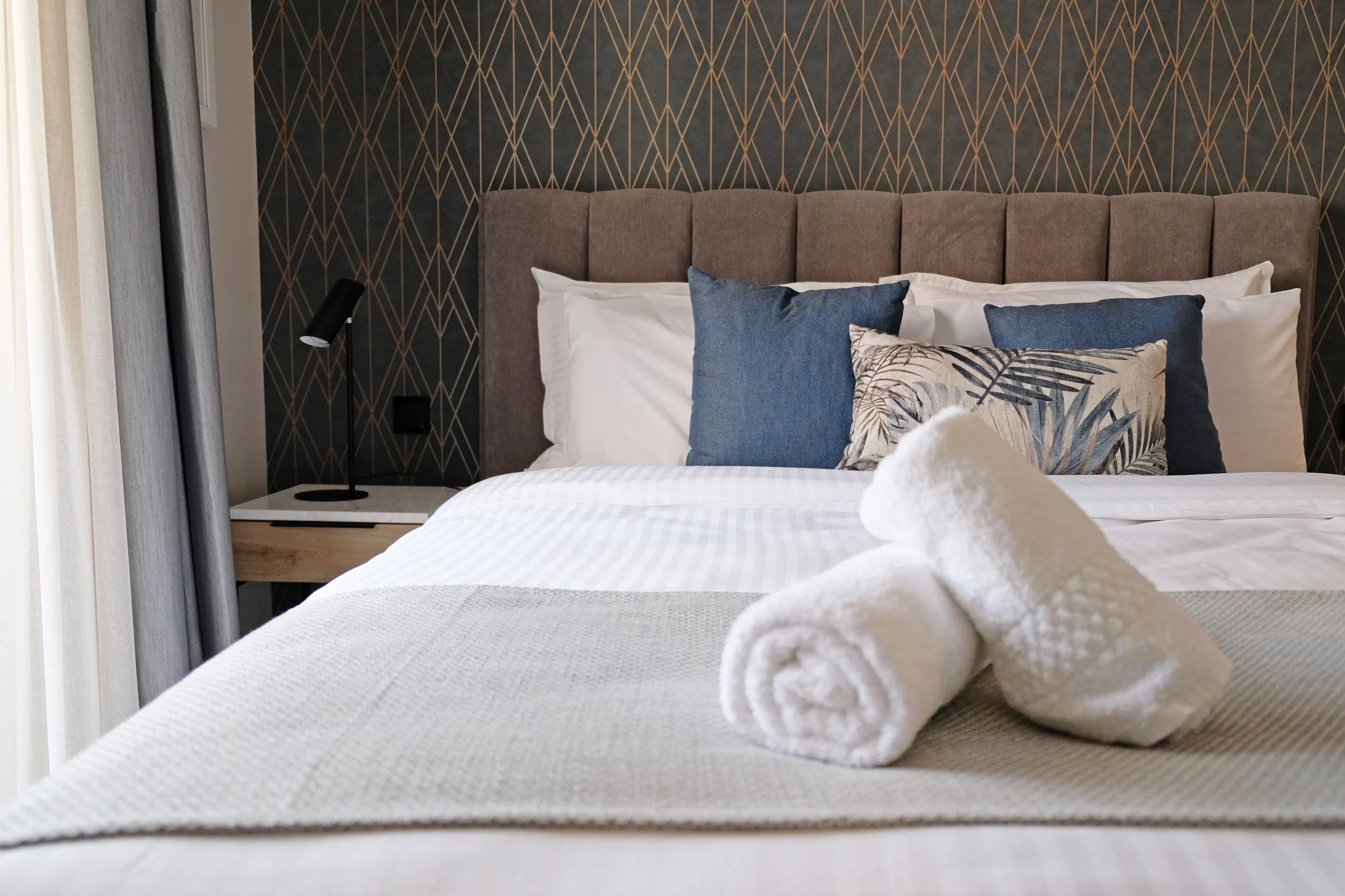
Fold towels neatly.
Fluff cushions.
Straighten dining chairs.
Make every bed like a hotel bed.
Hide pet bowls and litter trays.
Remove magnets and notes from the fridge.
Put away chargers and visible cables.
Individually these things seem minor, but together they create a polished, well-cared-for home.
Remember what you’re selling
You're not selling your furniture.
You're selling a lifestyle.
Great property photography helps buyers picture their own furniture, their own family and their own future in your home. That's why creating space, light and simplicity is so important.
The best part is that most of these styling tricks cost little or nothing—they simply take a bit of preparation.
And preparation pays off.
Professional photography is one of the strongest marketing tools we have. When your home looks its absolute best online, it captures more attention, generates more enquiries and gives you the best chance of attracting motivated buyers.
If you're wondering where to start, don't stress—that's exactly what we're here for.
We're happy to walk through your home with you before photography and see if there are any simple changes you can make for the biggest impact. Often it's the little tweaks that make all the difference.