
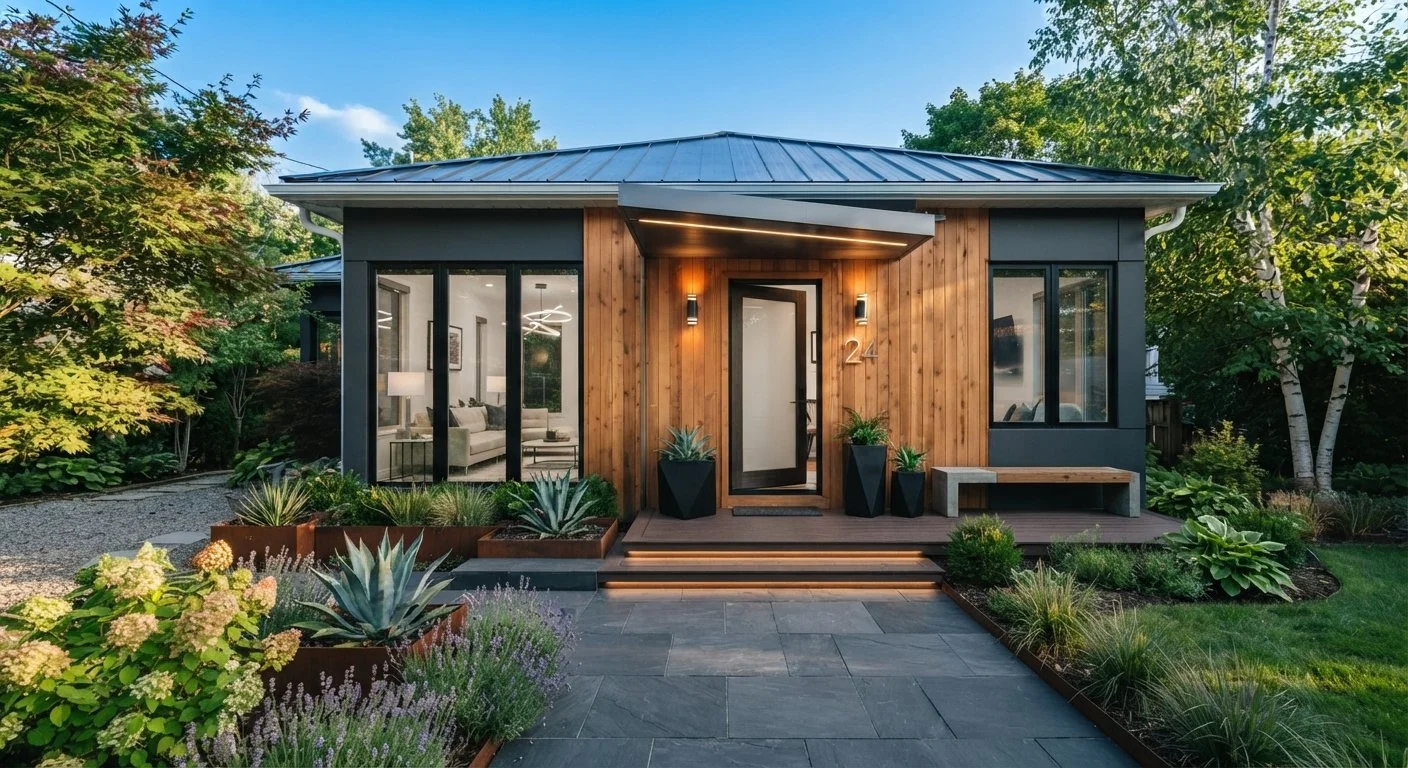
When someone walks through your home, they’re not just looking at the number of bedrooms, the size of the kitchen or whether there’s a double garage.
They’re imagining their life there.
Where will the Christmas tree go? Will the kids have enough space? Can they picture themselves sitting on the deck with a coffee on a Sunday morning? Is this somewhere they could actually see themselves calling home?
That’s the interesting thing about buyer psychology. People often make an emotional decision first, then use the facts to justify it.
So, if you’re thinking about selling, understanding what buyers are really looking for can help you present your property in a way that connects.
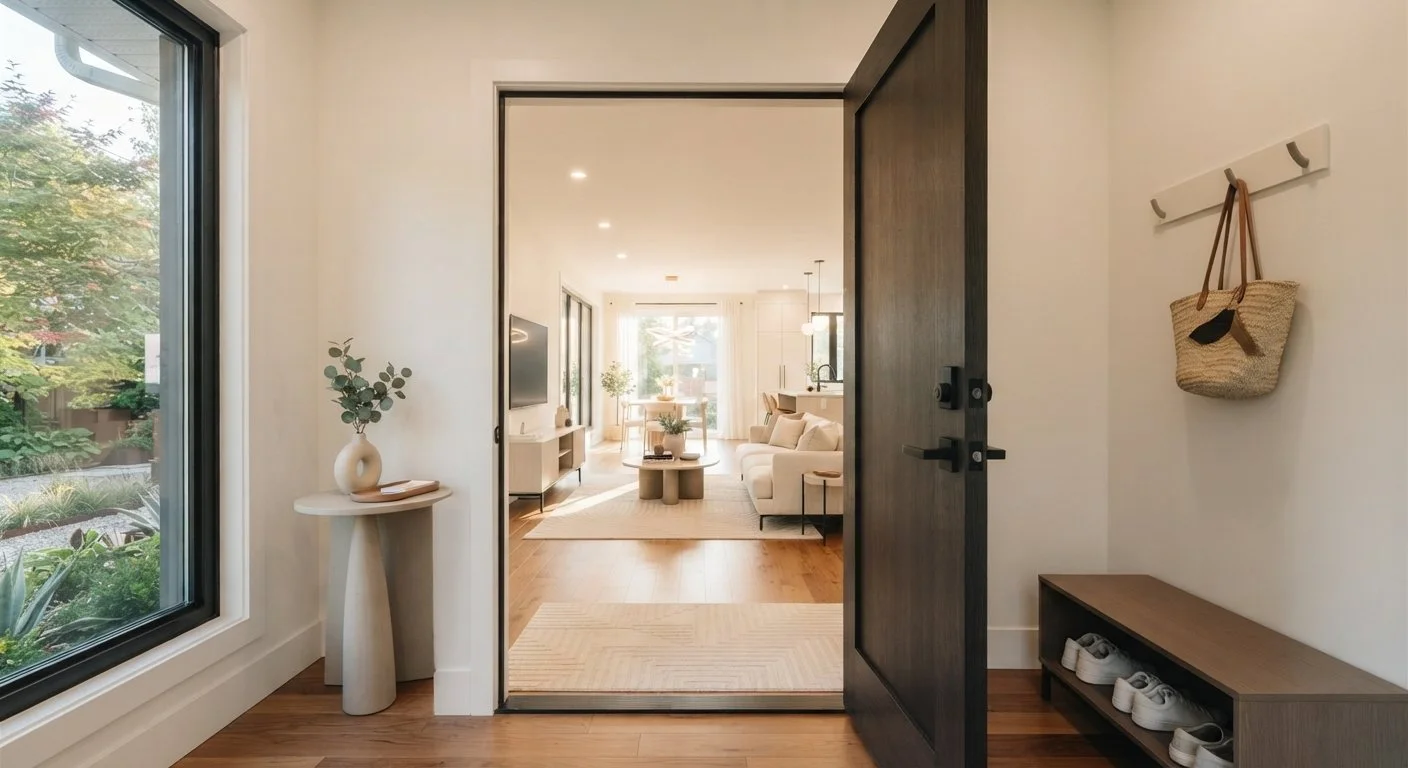
1. Buyers want to feel something
Of course, buyers need the practical things to stack up. The price needs to be within budget, the location needs to work and the house needs to meet their basic requirements.
But once those boxes are ticked, emotion starts to play a much bigger role.
A buyer might walk into a home and immediately think, “This feels like us.”
That feeling can be difficult to put into words, but it’s powerful.
It might come from the light, the way the living spaces connect, a beautiful outlook or simply the feeling that the home is comfortable, cared for and easy to imagine living in.
Your job as a seller is to make it as easy as possible for buyers to have that moment.

2. They’re looking for a lifestyle, not just a house
This is particularly important in a lifestyle-focused place like Taupō.
Buyers aren’t necessarily just buying four walls and a roof. They may be buying proximity to the lake, space for the boat, an easy walk to town, a great school zone, room for the kids or somewhere to enjoy the outdoors.
Think beyond the features of your property and consider what those features allow someone to do.
A large deck isn’t just a large deck. It could be summer dinners with friends.
A garage isn’t just storage. It might mean somewhere to keep the bikes, boat or weekend toys.
A sunny backyard isn’t just lawn. It’s space for children, pets, gardening or relaxing.
When marketing a home, connecting the features to the lifestyle can help buyers see the bigger picture.
3. Buyers notice how a home makes them feel
This is where presentation really matters.
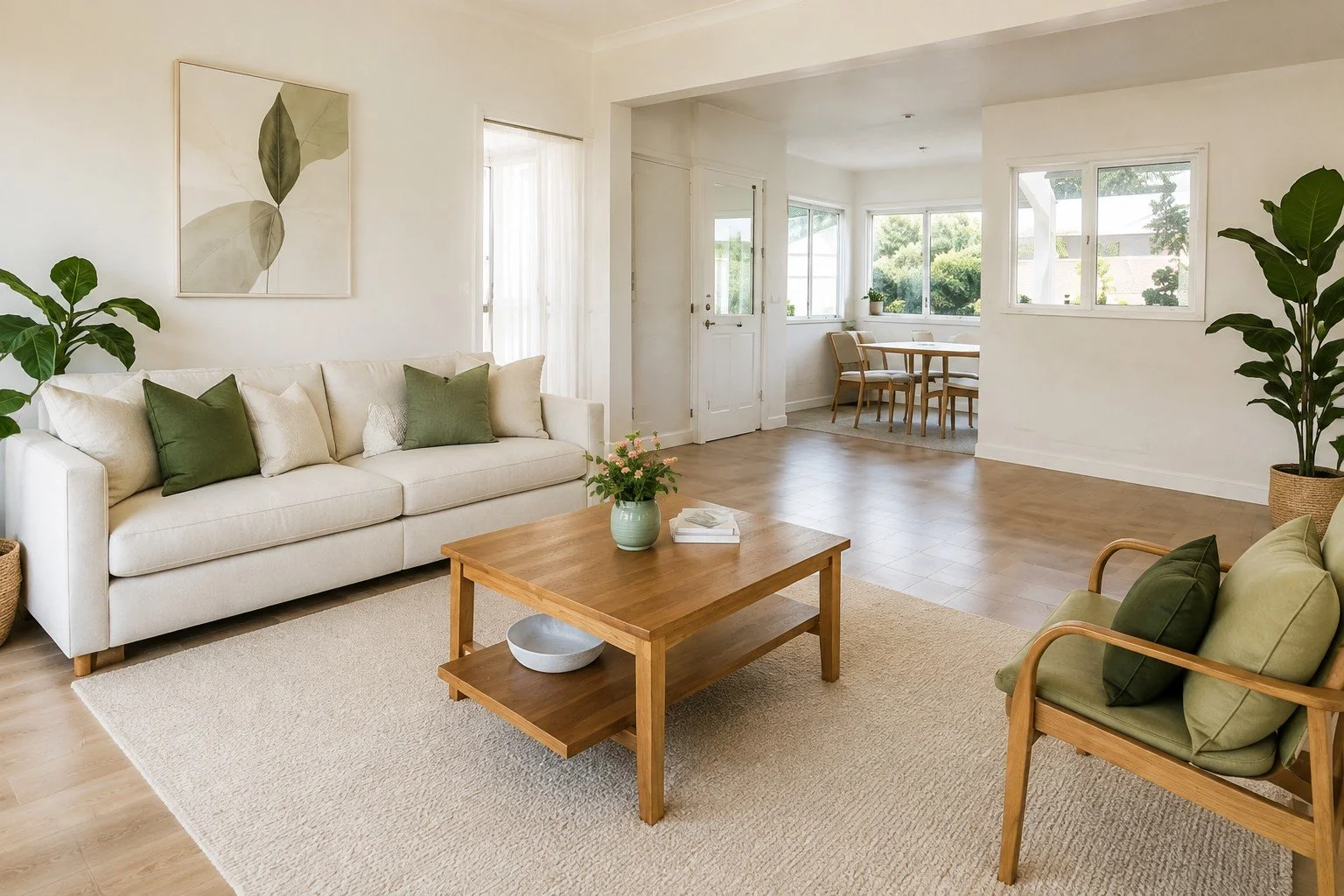
A home doesn’t have to be perfect, brand new or completely renovated to appeal to buyers. But it should feel clean, cared for and easy to live in.
Clutter can make rooms feel smaller. Too much furniture can make it difficult to see how a space works. Personal items can sometimes make it harder for buyers to picture themselves living there.
Simple things can make a surprisingly big difference:
Clear kitchen benches and bathroom surfaces.
Open curtains and let in as much natural light as possible.
Tidy outdoor areas and make the garden feel usable.
Remove unnecessary furniture to create a sense of space.
Fix those small maintenance jobs you’ve been putting off.
Give buyers a home that feels fresh, welcoming and easy to imagine themselves in.
You’re not trying to create a show home. You’re helping buyers see the potential.
4. Buyers are looking for reassurance
Emotion might get someone interested, but buyers also need confidence.
They want to know: Is this a sensible purchase?
That’s why information matters.
Things like the Property File, rates, building information, chattels, recent maintenance and any relevant documentation can help buyers feel informed and comfortable about making a decision.
Being upfront about the property also builds trust. Buyers don’t expect every home to be perfect. What they want is clarity about what they’re buying.

5. And sometimes, less really is more
One of the biggest mistakes sellers can make is assuming they need to spend thousands renovating before selling.
Often, they don’t.
Before replacing the kitchen or bathroom, ask yourself whether the investment is actually likely to make a meaningful difference to the result.
Sometimes the best return comes from presentation rather than renovation.
A tidy, clean, well-presented home that allows buyers to see its potential can be far more effective than an expensive renovation that may simply reflect the seller’s personal taste.

6. Put yourself in the buyer’s shoes
Before your home goes on the market, walk through it as if you were seeing it for the first time.
What catches your eye?
What could make the home feel more inviting?
Where does the house feel at its best?
And, importantly, can you see the story of how someone might live there?
Because ultimately, buyers aren't just buying your property.
They’re buying the possibility of what life could look like there.
The better you understand that, the better you can present your home to connect with the right buyer.
And sometimes, that emotional connection is what turns “That’s a nice house” into “I can see us living here.”